
Immigration from Land to America
How 6,500 people left Nordre & Søndre Land, Norway, and built new lives across America
750K
NORWEGIANS EMIGRATED
1840–1915
83K
FROM
OPPLAND COUNTY
6,500
FROM NORDRE &
SØNDRE LAND
This page offers a brief overview of emigration from the home kommuner of Nordre (North) and Søndre (South) Land in Oppland County, Norway — the ancestral homeland of Landingslaget members.
The Journey

LAND, NORWAY
Nordre & Søndre
↓

RANDSFJORD or MJØSA
Row or steamboat
↓

DRAMMEN or CHRISTIANIA (OSLO)
Rail from 1868
↓

ATLANTIC CROSSING
2–12 weeks
↓

NEW YORK / QUEBEC
Port of arrival
↓

THE MIDWEST
Rail, steamboat, & wagon
Wisconsin · Iowa · Minnesota · North Dakota · South Dakota
Who were the immigrants?
Those who left Land came from every level of society, emigration was not limited to the poor or the desperate.
OCCUPATIONS
- Farm owners
- Cotters (husmann)
- Laborers & tradesmen
- Teachers
- Those seeking a fresh start
FAMILY STATUS
- Married couples with children
- Children (25% of pre-1886 emigrants)
- Single individuals
- Widows and widowers
Lars Nielsen Roste was the first to emigrate from Land in 1839 followed in 1842 by Hans Halvorsen Smedsrud and Marthe Olsdatter. The first Landing born in America was Helene Hansdatter on October 31, 1842.
Why did they immigrate?
Many forces encouraged Norwegians to leave their homeland. Difficulties in Norway included a rigid class system, widespread poverty, alcoholism, and periodic crop failure.
America promised a better economic future, backed by the free land offered under the Homestead Act of 1862. Norwegians eagerly awaited “America Letters,” which described friends’ and family’s journeys and their experiences in the immigrant communities where they first settled. Often passed around the community, these letters helped fuel the “America Fever” that drew so many Norwegians across the Atlantic.
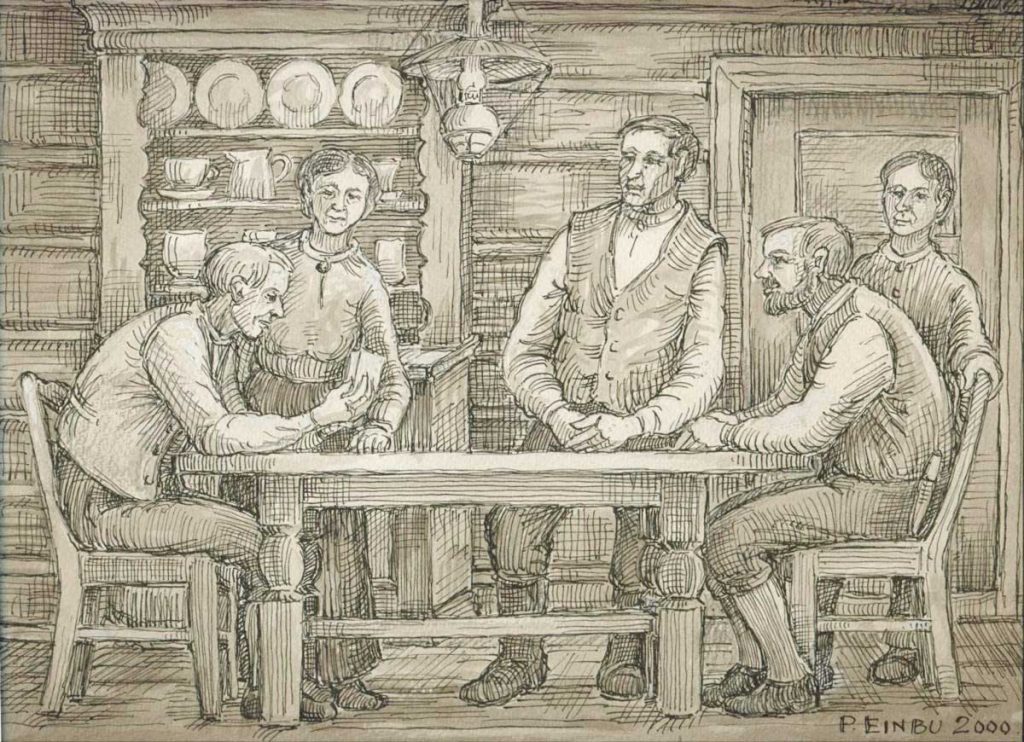
How did they prepare for the journey?
- Early emigrants had to reserve cargo space aboard ship well in advance.
- Each traveler collected a comprehensive supply of equipment for the voyage.
- Food, cookware, and bedding were the traveler’s own responsibility — the ship provided only water and cooking wood.
What did the life they left behind look like?
- Farms could include one or more husmannsplass, small plots carved out for tenants, who paid through labor or a share of their produce.
- Tenant farmers (husmann) lived in small cabins on these husmannsplass.
- Farm owners occupied more substantial farmhouses.
- For many immigrant women, their fondest memories of the Old Country were of summers at the seter — the high mountain dairy farms.
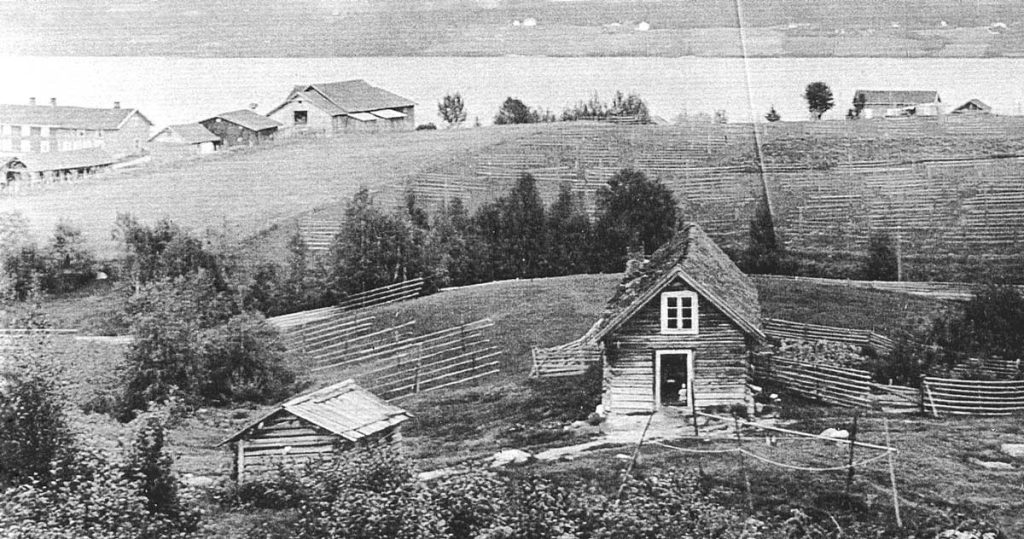
Typical landscape of a large farm (buildings in upper left) with a husmannsplass in the foreground 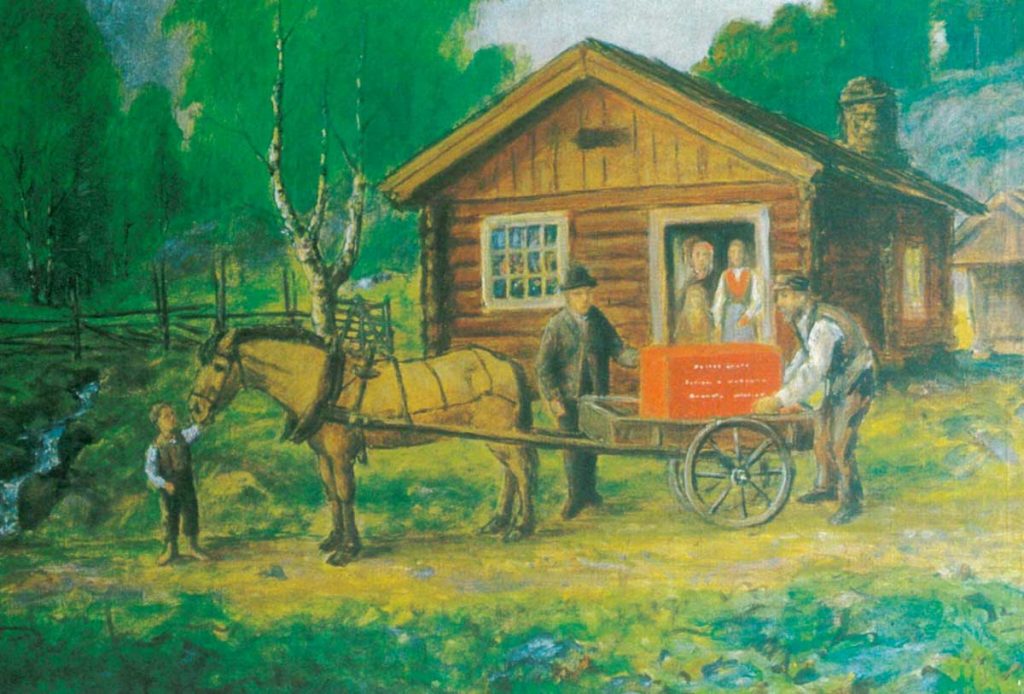
Husmannsplass painted by Kristian Skolmen 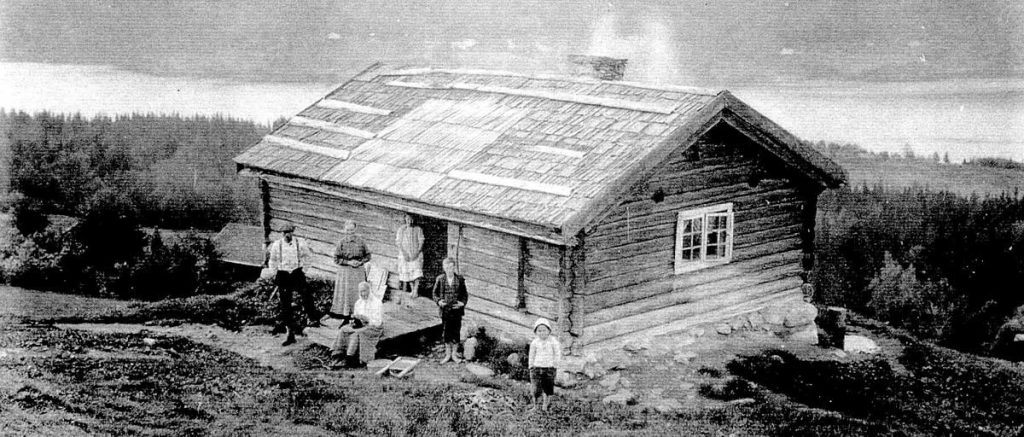
Cabin on a husmannsplass 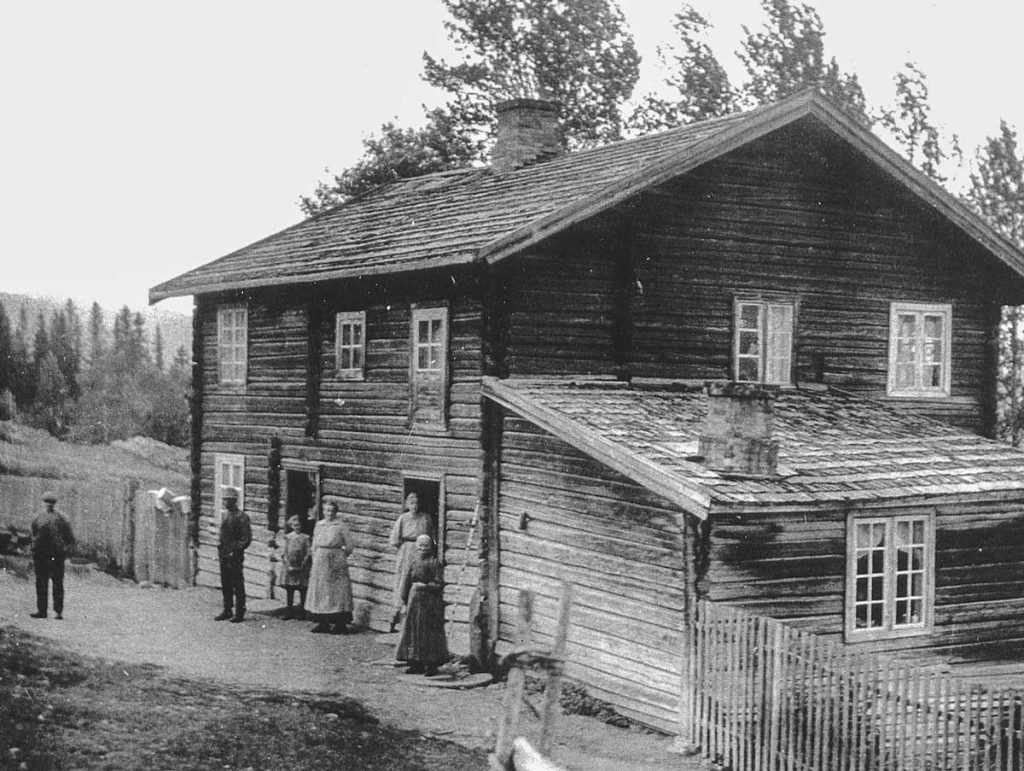
Farmhouse 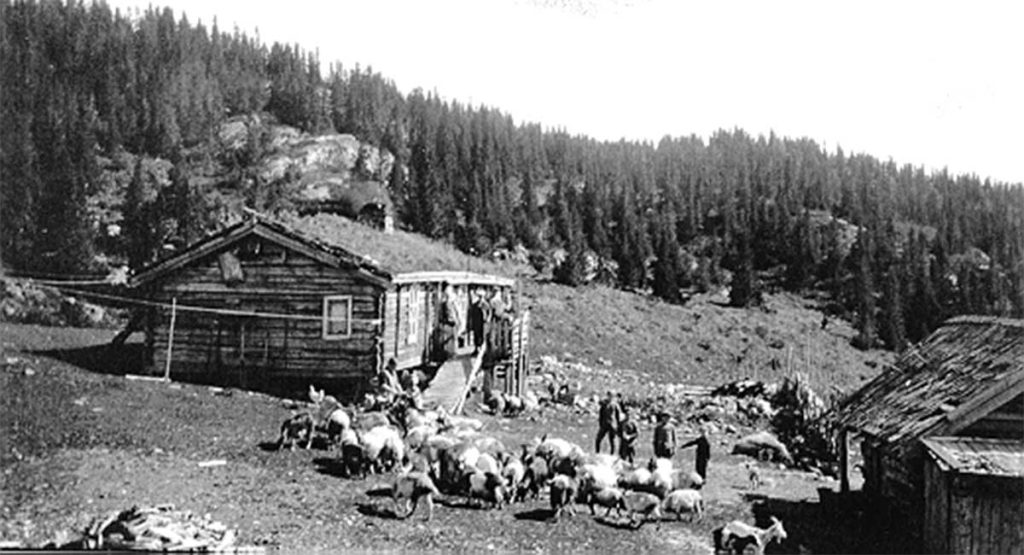
Seter (Summer Farm) located high on a mountain
What did it cost?
EARLY YEARS — 1840s & 1850s
- Fare from Norway to New York: 20 speciedalar per adult; children at half price.
- Voyage duration: 2–3 months, depending on wind and storms.
- Overland to Wisconsin (12 days): ~$9, plus ~$5 for food.
- Total for a family of four (adults + 2 children): ~$100 plus sea provisions. (A farm laborer earned ~30 speciedalar/year.)
LATER YEARS — 1860s ONWARD
- From the 1860s: adult passage from Christiania to Quebec fell to 15–17 speciedalar — roughly one year’s hired-man wages.
- By the 1870s, steamships replaced sailing ships, with food and bedding included in the fare.
- Voyage time fell dramatically — typically just 1 to 2 weeks.
Individuals and families typically banded together for the journey. The vast majority were “sponsored” by friends or family already established in America:
- As many as half of all immigrants from Land traveled on pre-paid tickets funded by relatives in America.
- Three out of four cotter‘s sons and daughters traveled on pre-paid tickets.
- On arrival, new immigrants often lived with their sponsors and worked to repay the passage debt before moving further west.
How did they get from Land to the ports?
- Departures in the 1840s–50s left from Drammen.
- Many rowed or took a steamboat down the Randsfjord to Jevnaker, then walked to Drammen.
- Some walked the entire distance to Drammen.
- Later emigrants sailed from Gjøvik to Eidsvold, then took a train to Christiania (now Oslo) to board their ship.
- In 1868, the Randsfjord railroad opened, becoming the standard route to Christiania.
What was the voyage like?
The Atlantic crossing could be a harrowing months-long ordeal in the early years of sail — or a relatively swift two-week steamer passage by the 1870s.
For a vivid first-hand account, read Crossing the Atlantic in the 1850s. Also reference the Norway-Heritage website for much more detail on Norwegian immigrant voyages.
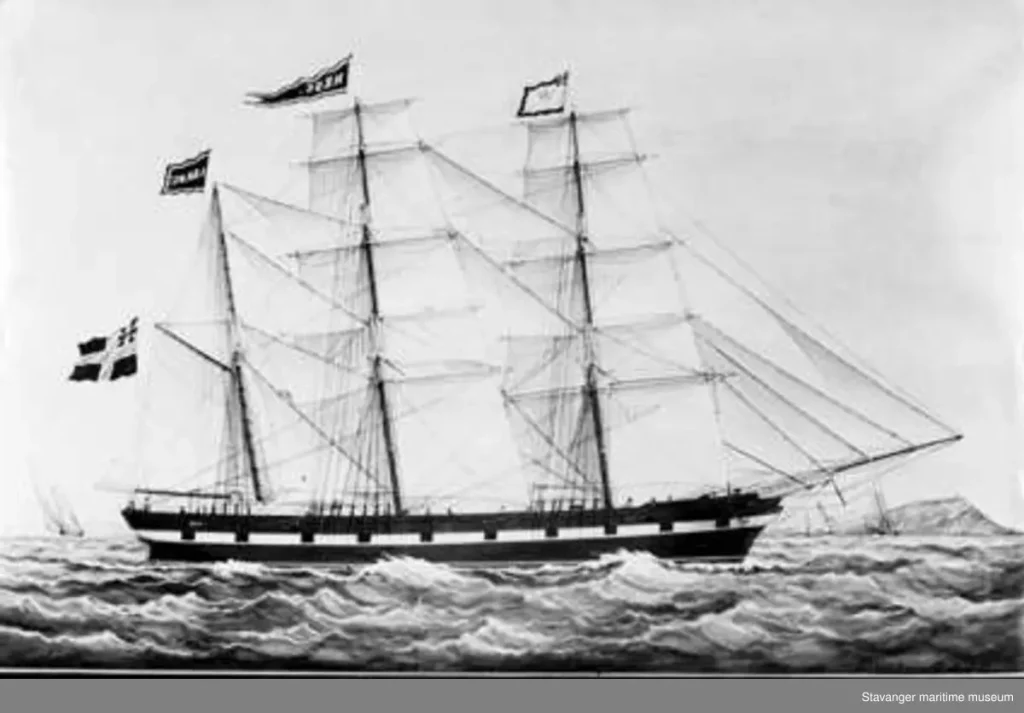
BY SAIL – 1840s–1860s
- The ships: Wind-powered wooden barks (~120 ft), built for cargo, with holds converted into cramped “between decks” lined with bunks.
- The journey: About 10 weeks at sea (3+ months in bad weather), tickets $20–$30. Passengers supplied their own food, bedding, and gear.
- Daily life: Lice-ridden straw mattresses, cold meals, poor ventilation, a bucket for a toilet, tar smoke to mask the stench.
- Dangers: Cholera, dysentery, and measles spread easily with no ship’s doctor aboard; storms sent unsecured trunks flying through the dark hold.
- Death at sea: Those who died, often children and the elderly, were buried at sea in brief, haunting shipboard ceremonies.
BY STEAM – 1870s–1890s
- The ships: Steam-powered iron and steel liners, far larger than the old sailing barks, running on fixed schedules rather than the wind.
- The journey: Most Norwegians now sailed across the North Sea to Hull, England, crossed by train to Liverpool, then boarded a steamer for New York — the Atlantic leg alone down to 7–10 days, though fares ran roughly triple the old sailing-ship price.
- Daily life: Steerage was still cramped and basic, but food was now included, and the shorter crossing meant far less exposure to filth, boredom, and illness.
- Dangers: Disease and death rates dropped sharply as crossing time shrank — a fast, predictable voyage replaced weeks of uncertainty at the mercy of the wind.
- Legacy: By 1873, steam had overtaken sail on the immigrant trade to America; for the last wave of 19th-century Norwegian emigrants, the ocean crossing had gone from an ordeal to a routine.
Where did immigrants from Land settle in America?
The major areas of settlement for Norwegian immigrants from Land included:
WISCONSIN
- Coon Valley
- Richland County
- Rock Prairie, Rock County
- Trempeleau County
- Wiota
What were the effects on life back in Norway?
- The loss of cotters and laborers drove agricultural labor costs upward.
- Emigration helped relieve the pressure of rural overcrowding in the Land region.